 Juntetsu
Japan Scissors Canada
The makers behind the shears.
Meet the makers first. Then compare the shears they make, priced in Canadian dollars and delivered across Canada.
Maker stories
Four makers, four characters
All maker storiesA shear carries the decisions of the people who designed it: the steel, the edge, the balance and the way the handle meets the hand. Our maker stories describe those decisions plainly, so you can tell one maker's work from another before you hold it.
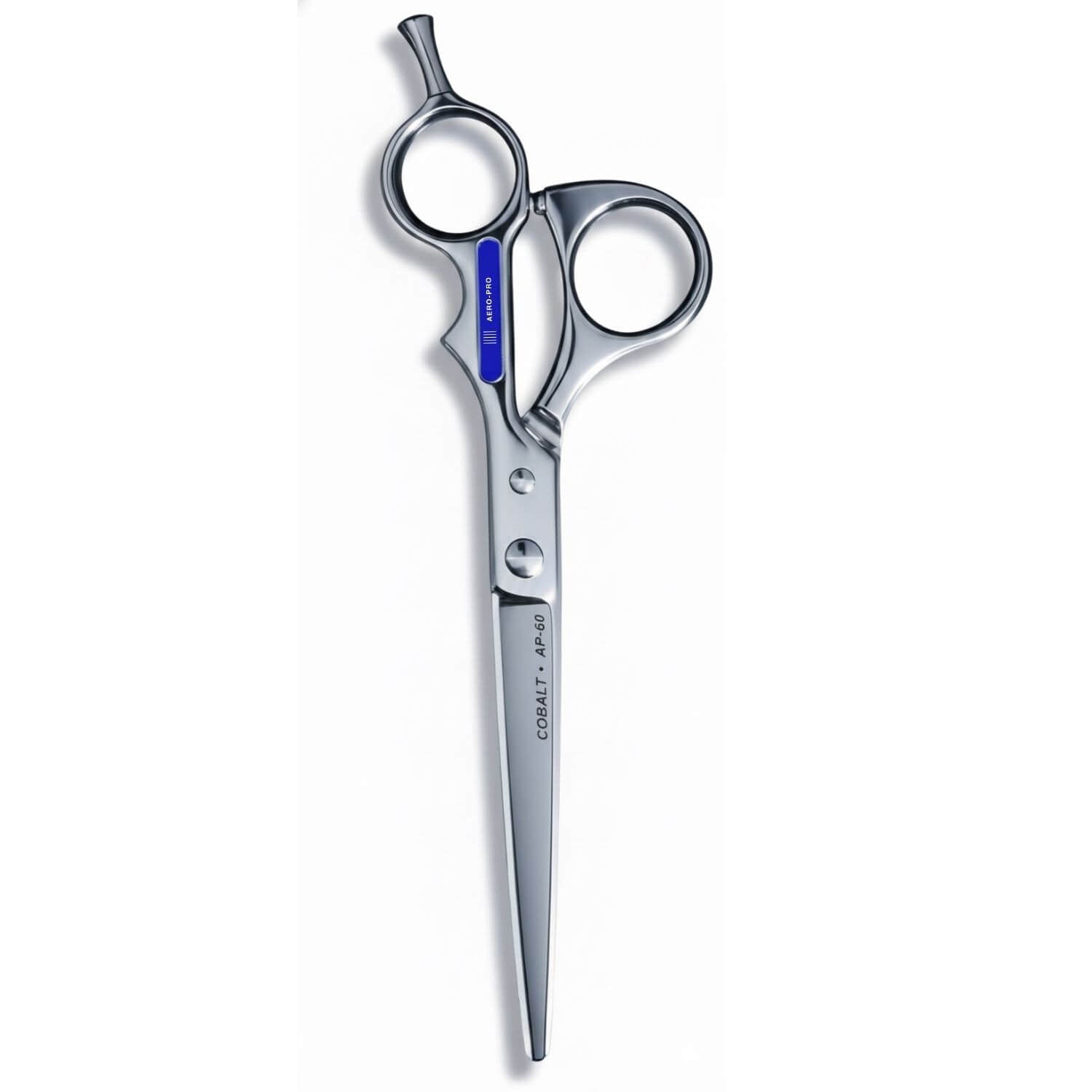
- Juntetsu
Handmade in Japan. Cutting shears, thinners and sets in VG10, cobalt and 440C steels, with convex edges and offset, crane and swivel handles.
59 modelsRead the story: JuntetsuOpen the collection: Juntetsu - Yasaka
Made in Japan. A compact range of cutting shears with clam-shaped convex edges, distinct handles for distinct hands, and thinners by tooth count.
21 modelsRead the story: YasakaOpen the collection: Yasaka - Joewell
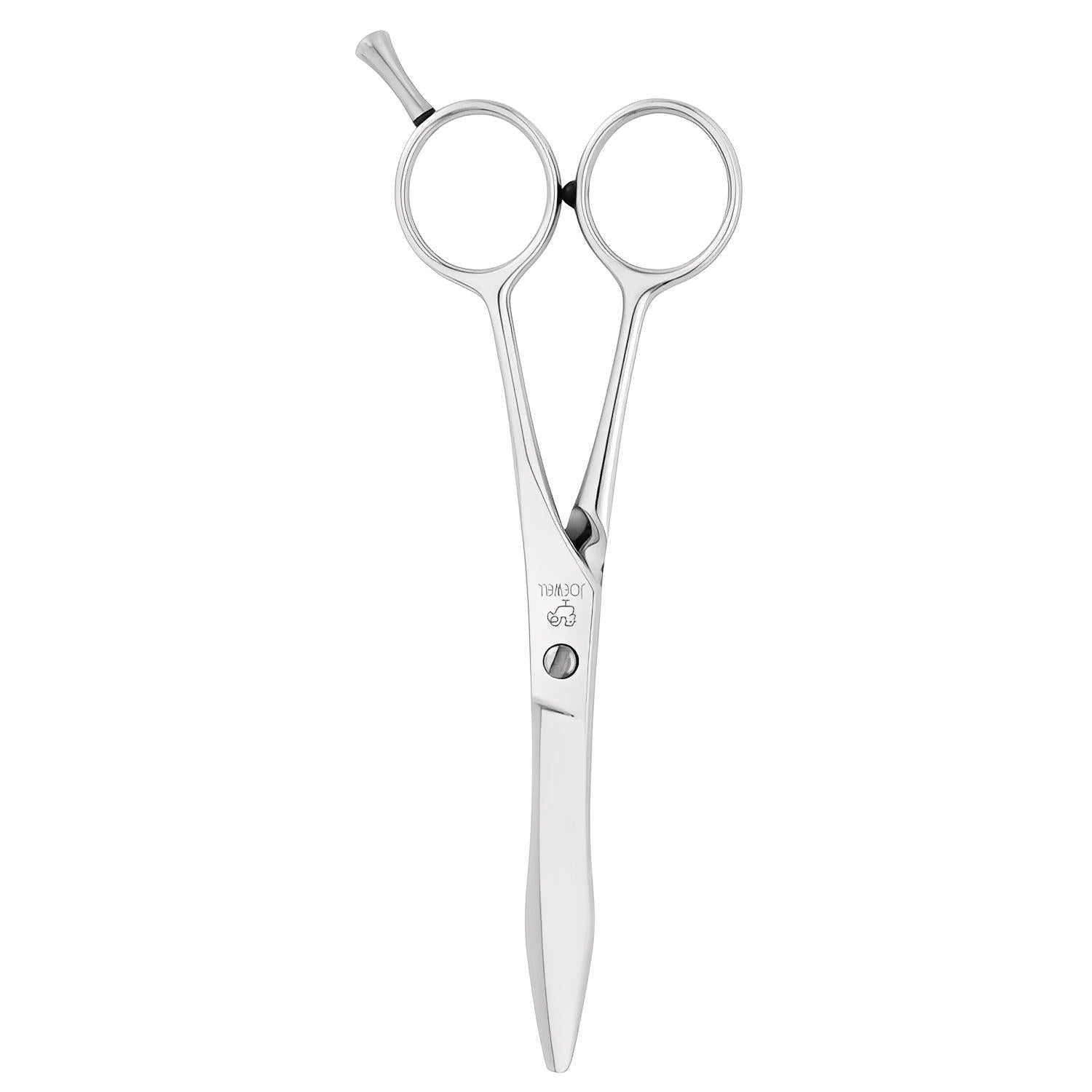
Level-handled classics, cobalt and powder-metal Supreme models, offset designs, thinners listed by cut ratio, and true left-handed shears.
27 modelsRead the story: JoewellOpen the collection: Joewell - Ichiro
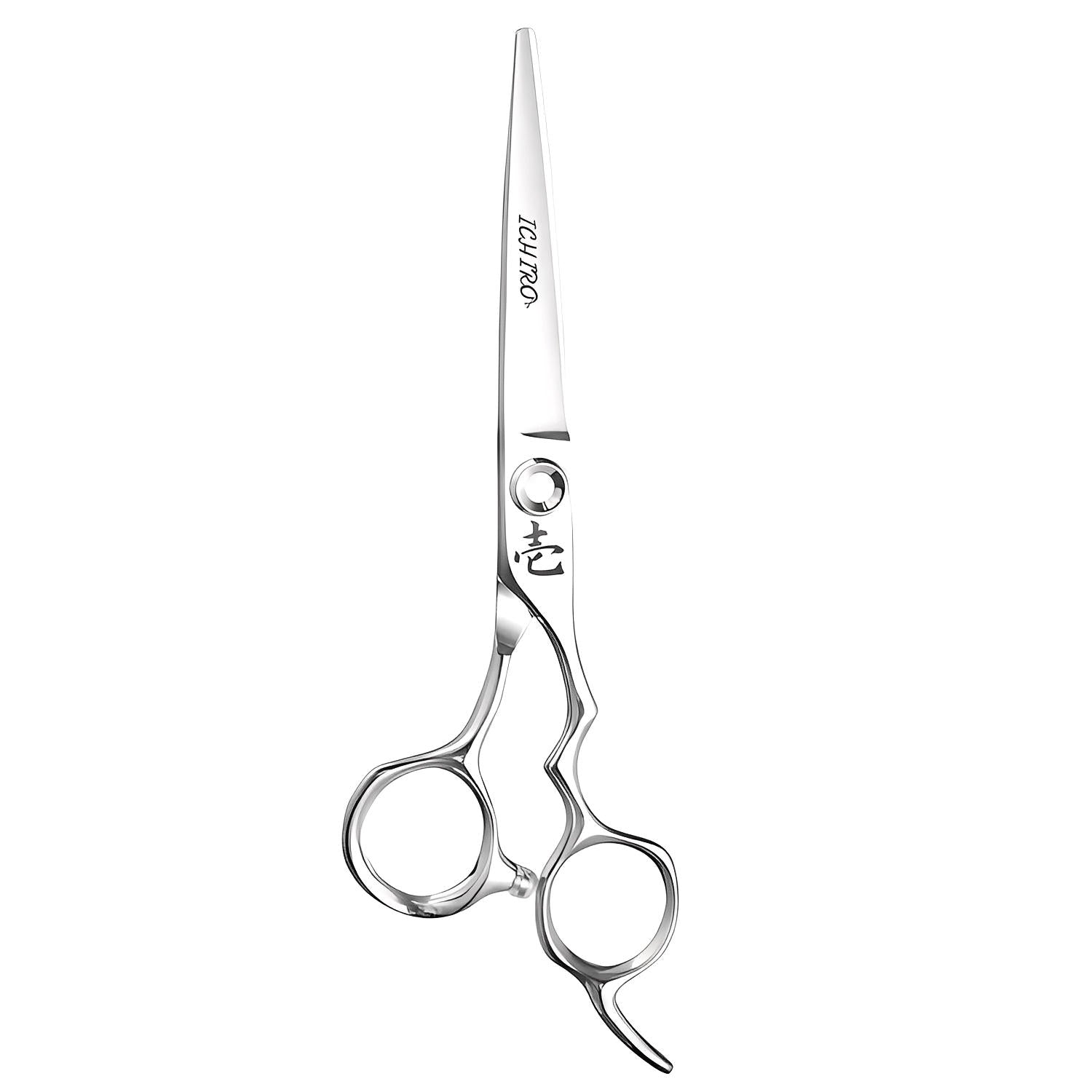
Working shears, thinners and matched sets in 440C and VG-10, mostly offset, in finishes from mirror polish to matte black, rose gold and pastel.
45 modelsRead the story: IchiroOpen the collection: Ichiro
Shears to start with
Browse all shears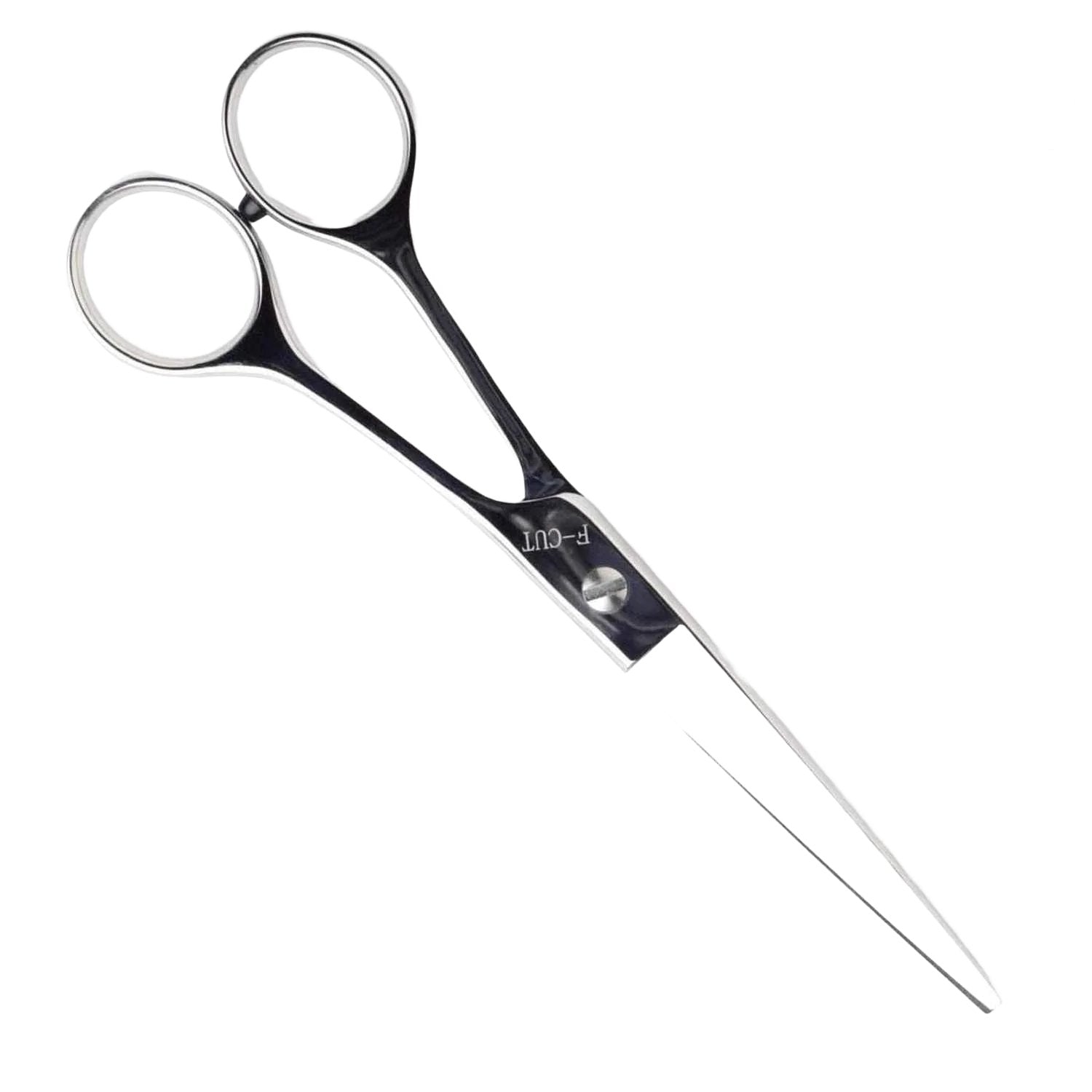
Read before you choose
What to look at in a shear
Four details shape how a shear behaves in the hand. Every product page lists them, so you can compare models from different makers on equal terms.
The edge
A convex edge is ground in a gentle curve to a very fine line. It slices, which suits slide cutting and point cutting. A bevel edge meets at a flatter angle; it holds hair a little more firmly, which some stylists prefer for blunt lines and for barbering.
The steel
Makers choose steels for how they take and keep an edge. The product pages name steels such as VG10, ATS-314 cobalt and 440C. Read them as the maker's choice for that model, not as a ranking. A well-made shear in a modest steel can serve better than a poorly fitted one in a premium alloy.
The handle
An offset handle lowers the thumb ring, so the elbow can stay down through long work. A classic handle keeps both rings level, for an open, upright grip. A crane handle drops the thumb further still. Choose the one that matches how you already hold a shear.
The length
Shorter blades, around 5.0 to 5.5 inches, give control around the face and ears. A 6.0 inch blade is the common all-rounder. Longer blades suit scissor-over-comb and long, straight sections.
On origin
We state origin only where it is confirmed. Juntetsu shears are handmade in Japan. Yasaka shears are made in Japan. For other makers, the product page lists what the maker's own documentation says, and nothing more. We would rather leave a detail out than guess at it.
Ordering in Canada
Every price is shown in Canadian dollars. Delivery reaches every province and territory through FedEx. Each order is prepared within one to two business days and leaves from Japan; the delivery charge and an estimated arrival appear at checkout, before payment. Any duties or import charges are the buyer's responsibility, and returns for a change of mind are accepted within 30 days of delivery. The shipping and returns pages give the full terms.
When a model shows as backorder, it ships once the next stock arrives.
A considered purchase
A good shear is used for years. Take the time to compare two or three models from one maker, or the same length across two makers. If a question remains, write to us with the model names and the work you do most. The address is on the contact page. You can also read about Japan Scissors Canada.